


What to Check Before Booking a Cabin Stay
Check access, heating, kitchen facilities and cancellation terms so a cabin break matches your expectations and group needs.

Start With the Journey, Not the Photographs
Cabin listings are built to look good. Wide-angle shots of a wood burner, a hot tub steaming under a pine tree, a neatly made bed with a chunky throw. What they rarely show you is the mile and a half of single-track lane you have to reverse down to reach it, or the fact that the "private parking" is a grass verge that turns to slurry in November.
Before you fall for the photos, work out how you will actually get there. A rural postcode can cover several square miles, so ask for precise directions or a map pin rather than trusting the satnav. Specifically, check:
- Whether the final approach is a tarmac road, a farm track or a rough unsurfaced lane, and whether your car has the ground clearance for it.
- How many cars the parking area genuinely fits. A cabin sleeping six often has space for two, and the third car ends up blocking a neighbour's gate.
- Whether there is EV charging, and if so whether it is a proper dedicated charger or a three-pin socket that will take fourteen hours to add fifty miles.
- Mobile signal and Wi-Fi. Some off-grid cabins have neither, which is lovely until you need to contact anyone or check a route home.
- Arrival times, key safes and whether anyone meets you on site. Turning up in the dark to an unlit track is a poor start to a weekend.
Heating, Hot Water and the Meaning of "Cosy"
In a British cabin, warmth is not a detail — it is the whole holiday. Ask what actually heats the place. A wood burner looks wonderful but takes an hour to bring a cold room up to temperature, and if logs are charged per basket at £12 a go, a February weekend can add a surprising amount to your bill.
Check whether the cabin has central heating, panel heaters, a heat pump or nothing but the stove. If it is off-grid, ask about solar capacity and generator hours: you may be asked not to run hairdryers, and charging three phones plus a laptop could be a squeeze. Also ask about hot water. Some cabins have an immersion heater that gives one decent shower before needing an hour to recover; others share a shower block, which is fine if you knew in advance and less fine if you did not.
Insulation matters as much as heat source. An unheated mezzanine with a single-glazed skylight gets cold at three in the morning. If you are booking between October and April, ask a direct question: what do previous guests say about staying warm?
Kitchen Facilities and the Reality of Self-Catering
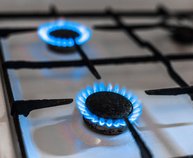
A "kitchenette" means different things to different owners. It might be a two-ring hob and a microwave, or a full oven with a dishwasher. If you are planning a Sunday roast for eight, this matters enormously.
Worth confirming before booking:
- Appliances: hob rings, oven, grill, microwave, kettle, toaster, cafetière.
- Cold storage: the size of the fridge and whether there is any freezer space for ice or a frozen lasagne.
- Kit: pots, pans, sharp knives, roasting tin, bottle opener, washing-up liquid, tea towels, bin bags.
- Water: whether taps run drinking water or you need to bring your own.
- Cooking outdoors: whether barbecues and fire pits are provided, and whether there are seasonal fire bans or rules about disposable barbecues.
- Provisions: distance to the nearest shop, its opening hours, and whether the nearest pub serves food on a Monday.
Sleeping Arrangements and Group Fit
Sleeps eight can mean two doubles, a bunk bed and a sofa bed in the living room. That is not a problem if your group is two couples, three kids and someone happy on a sofa. It is a problem if it is four couples.
Nail down the bed configuration, the size of each bed, and how many bathrooms there are. One bathroom between six adults requires military scheduling, especially if the shower is also the only source of hot water. If anyone in your party has mobility issues, ask about steps, gravel paths, doorway widths and whether a bedroom and bathroom are on the ground floor.
If you are bringing a dog, check whether dogs are welcome at all, what the fee is, and whether they are allowed on furniture or must sleep in a crate. Also ask about hot tub curfews and quiet hours. A cabin next to a working farm has different expectations from one in a holiday village, and it is better to know which you are booking.
Costs, Deposits and Cancellation Terms
The headline price is rarely the price you pay. Add the cleaning fee, the booking fee, a per-dog charge, log bundles and any hot tub supplement, and compare the total against alternatives before you commit. Ask how a damage deposit is held and how long a refund takes, because a fortnight's delay can be irritating when you are watching your bank balance.
Cancellation policy is the section nobody reads until they need it. A 30-day window is generous; a 7-day window is not, and a non-refundable rate is exactly that, even if a family illness or a closed road intervenes. Check whether you can amend dates, transfer the booking to a friend, or claim on travel insurance. Also confirm check-in and check-out times, and whether a late check-out costs extra, since a slow Sunday morning is part of the appeal.
Questions Worth Asking Before You Pay
A short email to the owner or booking team will save a great deal of disappointment. Ask for written answers and keep the reply with your booking confirmation.
- What exactly is included in the price, and what costs extra?
- How is the cabin heated, and are logs or fuel provided?
- Is there hot water for everyone, and how many bathrooms are there?
- Can we park all our cars, and is the access suitable for our vehicle?
- What are the cancellation and amendment terms, in writing?
- Is there anything about the cabin that guests commonly find surprising?
That last question is the most revealing one you can ask. Owners who answer it honestly are usually the ones who look after their cabins properly, and that is the best guarantee of a break that matches the photographs.

Post a comment